

 By Peter High
In today’s fast-paced 2025 world, stress seems to follow us everywhere. Between work deadlines, family responsibilities, and endless notifications, our bodies and minds are constantly in overdrive. Many of us carry tension in our shoulders, neck, and back without even realizing it. If you’re feeling worn out and need a real break, massage relaxation techniques might be exactly what you’re looking for.
Massage isn’t just a luxury treat for special occasions. It’s a proven way to help your body and mind relax, recover, and feel better. Whether you’re dealing with everyday stress, anxiety, muscle pain, or simply want to feel more at peace, understanding the different massage relaxation techniques available can help you find what works best for you.
In this guide, we’ll walk you through everything you need to know about massage for relaxation therapy. From explaining what massage really does to showing you step-by-step techniques you can try at home, we’ve got you covered.
What is Massage For Relaxation?
Massage for relaxation is a simple but powerful practice where trained hands apply gentle pressure and movement to your muscles and soft tissues. Think of it as a conversation between a therapist’s hands and your body’s needs.
When you receive a massage, several things happen:
Your muscles begin to loosen and soften. Tension that’s been building up starts to release. Blood flow increases to your muscles and skin. Your nervous system shifts from “fight or flight” mode to “rest and digest” mode. Stress hormones like cortisol decrease. Your body releases feel-good chemicals called endorphins.
Science backs this up. Research shows that massage therapy can lower blood pressure, reduce heart rate, and calm your nervous system. It’s not magic—it’s your body responding naturally to touch and care.
Benefits of Massage for Body and Mind
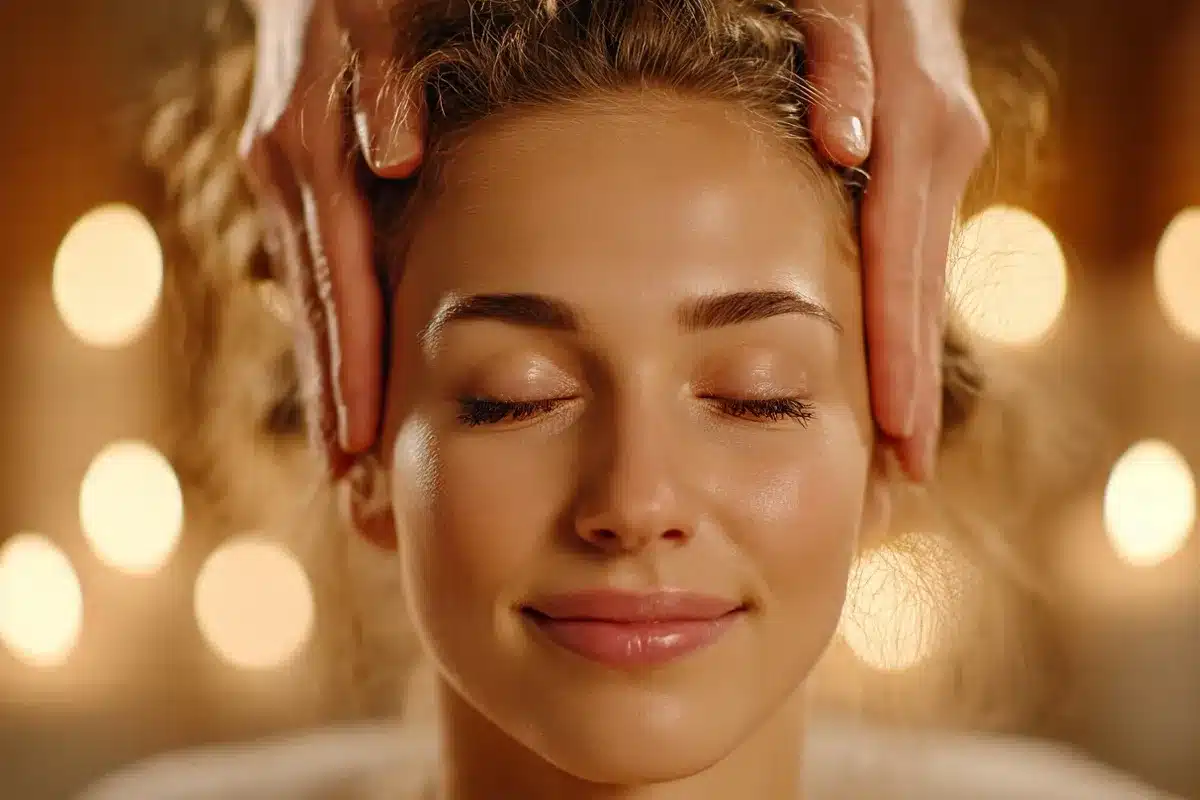
Massage relaxation techniques offer a wide range of benefits that go far beyond just feeling good in the moment. Here’s what regular massage can do for you:
Stress Relief and Mental Calm: One of the biggest benefits is stress reduction. A good massage helps quiet your racing thoughts and gives your mind permission to slow down. Many people say they feel like their mind gets a “reset” after a massage.
Better Sleep Quality: If you struggle with sleep, massage can help. By relaxing your muscles and calming your nervous system, massage makes it easier to fall asleep and sleep more deeply. Many people find that even one massage helps them sleep better that night.
Reduced Muscle Tension and Pain: Whether your pain comes from exercise, poor posture, or just holding stress, massage relieves muscle tension. It helps loosen tight knots and reduces soreness.
Improved Blood Circulation: Massage increases blood flow throughout your body. Better circulation means more oxygen and nutrients reach your muscles and organs, helping them work better and heal faster.
Lower Anxiety Levels: Regular massage has been shown to reduce anxiety symptoms. The calming touch signals your body that it’s safe to relax, which naturally lowers anxiety.
Better Mood and Emotional Balance: Massage boosts endorphins—your body’s natural “happy” chemicals. This is why people often feel more positive and emotionally balanced after a massage.
Improved Skin Health: Increased blood flow from massage brings more nutrients to your skin, giving it a healthy glow. Better circulation also helps your skin heal faster.
Enhanced Immune Function: Studies suggest that regular massage can boost your immune system, helping your body fight off illness more effectively.
The Most Popular Massage Techniques For Relaxation

There are many different types of massage, each with its own approach and benefits. Understanding best massage techniques for stress relief helps you find the perfect fit for your needs.
Swedish Massage
Swedish massage is one of the most common and beginner-friendly massage relaxation techniques. It uses long, flowing strokes combined with kneading and circular movements. The therapist uses their hands, forearms, and sometimes elbows to apply pressure. The strokes are rhythmic and gentle, designed to move in the direction of your heart to help with circulation. This is perfect if you’re new to massage or prefer gentle pressure. It’s ideal for general relaxation and stress relief. A typical session lasts 60-90 minutes, though 30-minute sessions are available. You’ll feel deeply relaxed, with reduced muscle tension and a sense of calm.
Deep Tissue Massage
Deep tissue massage uses slower, more intense pressure to target deeper layers of muscle. It’s excellent for chronic tension and tight muscles. The therapist uses their hands, thumbs, elbows, and forearms to apply sustained pressure to muscle knots and tension areas. It can feel intense but should never be painful. Athletes, people with chronic pain, and those with very tight muscles love deep tissue massage. A standard session is 60-90 minutes. You might feel a little sore the next day, similar to after a workout, but you’ll notice significant relief from chronic tension.
Aromatherapy Massage
This combines traditional massage with the use of essential oils. The oils are absorbed through your skin and inhaled, adding an extra relaxation element for anxiety and stress relief. The therapist selects essential oils based on your needs, like lavender for relaxation or eucalyptus for energy, and uses them during the massage. Anyone who loves the calming effects of scents benefits from this approach. Popular oils used include lavender, chamomile, rose, and bergamot. Sessions usually last 60-90 minutes. You’ll experience deep relaxation plus the emotional benefits of aromatherapy.
Hot Stone Massage
Hot stone massage uses heated stones placed on your body to penetrate deep relaxation into your muscles. Smooth, heated stones are placed on key points like your back, shoulders, and between your toes. The therapist may also use the stones as massage tools. This is perfect for anyone who loves heat and wants deep muscle relaxation. Stones are typically heated to 120-150°F (49-65°C). Sessions last 60-90 minutes. You’ll experience exceptional warmth, deep muscle relaxation, and a heavy sense of peace.
Reflexology
Reflexology is based on the idea that specific points on your feet, hands, and ears correspond to different parts of your body. Stimulating these points triggers relaxation throughout your whole body. The therapist applies pressure to specific reflex points using their thumbs and fingers. This is ideal if you don’t like full-body massage or have limited mobility. It’s also great for people interested in traditional healing practices. Sessions usually last 30-60 minutes. You’ll experience whole-body relaxation despite only working on feet or hands.
Head and Neck Massage
This focused massage targets the head, scalp, neck, and shoulders—areas where we hold a lot of stress. The therapist uses gentle circular motions and kneading on your scalp, temples, neck, and shoulders. Many people are surprised by how tense these areas are. Anyone with headaches, neck tension, or facial tension benefits greatly. It’s also perfect if you work at a desk. 15-30 minutes is good for focused work, or 45-60 minutes for more thorough treatment. You’ll notice reduced headaches, less neck tension, and a lighter feeling in your head.
Ayurvedic Abhyanga Massage
Abhyanga is a traditional Indian massage technique that uses warm oils and specific motions to balance your body’s energy. Warm oil is applied generously to your whole body as the therapist uses long, flowing strokes and circular motions. The technique follows the lines of your body’s energy channels. People interested in traditional wellness practices and those seeking overall body-mind balance love this approach. Oils typically used include sesame, coconut, or customized herbal oils. Sessions usually last 60-90 minutes. You’ll experience deep relaxation, nourished skin, and a sense of being fully restored.
Foot Massage and Reflexology
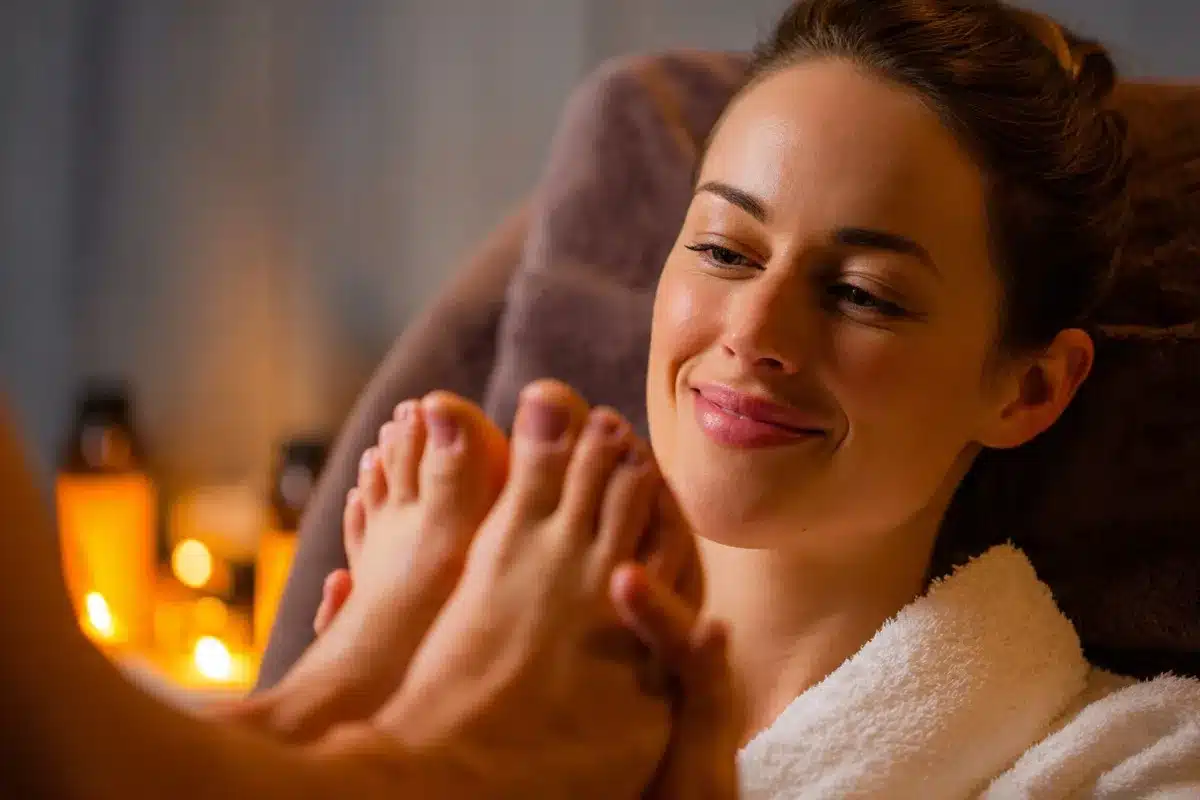
Foot massage is a simple yet powerful way to relax your entire body. Your feet contain thousands of nerve endings, so stimulating them sends relaxation signals throughout your system. The therapist applies pressure, kneading, and stretching to the bottom of your feet, sides, and tops. Each area corresponds to different body systems. People who stand all day, anyone with foot pain, or those seeking relaxation without undressing benefit from this. Sessions last 20-30 minutes. You’ll experience surprisingly deep relaxation plus relief from foot soreness.
Prenatal Massage
Prenatal massage is specifically designed for pregnant people, using techniques that support comfort and reduce pregnancy-related tension. The therapist uses side-lying positions and avoids deep pressure on certain areas. The focus is on relieving lower back pain, swelling, and general tension. Pregnant people usually after the first trimester can benefit. Always consult your doctor before getting a massage during pregnancy. Make sure the therapist is certified in prenatal massage. Sessions usually last 45-60 minutes. You’ll experience relief from pregnancy-related discomfort and better sleep.
Lymphatic Drainage Massage
This gentle technique stimulates your lymphatic system, which helps your body remove toxins and reduce swelling. The therapist uses very light, rhythmic pressure and slow movements to encourage fluid movement through your lymph vessels. This is very gentle and different from other massage styles. People with swelling, those recovering from surgery, or anyone wanting to support their immune system benefit from this. Sessions last 45-60 minutes. You’ll experience reduced swelling, lighter feeling, and improved circulation.
Relaxing Self-Massage Techniques at Home
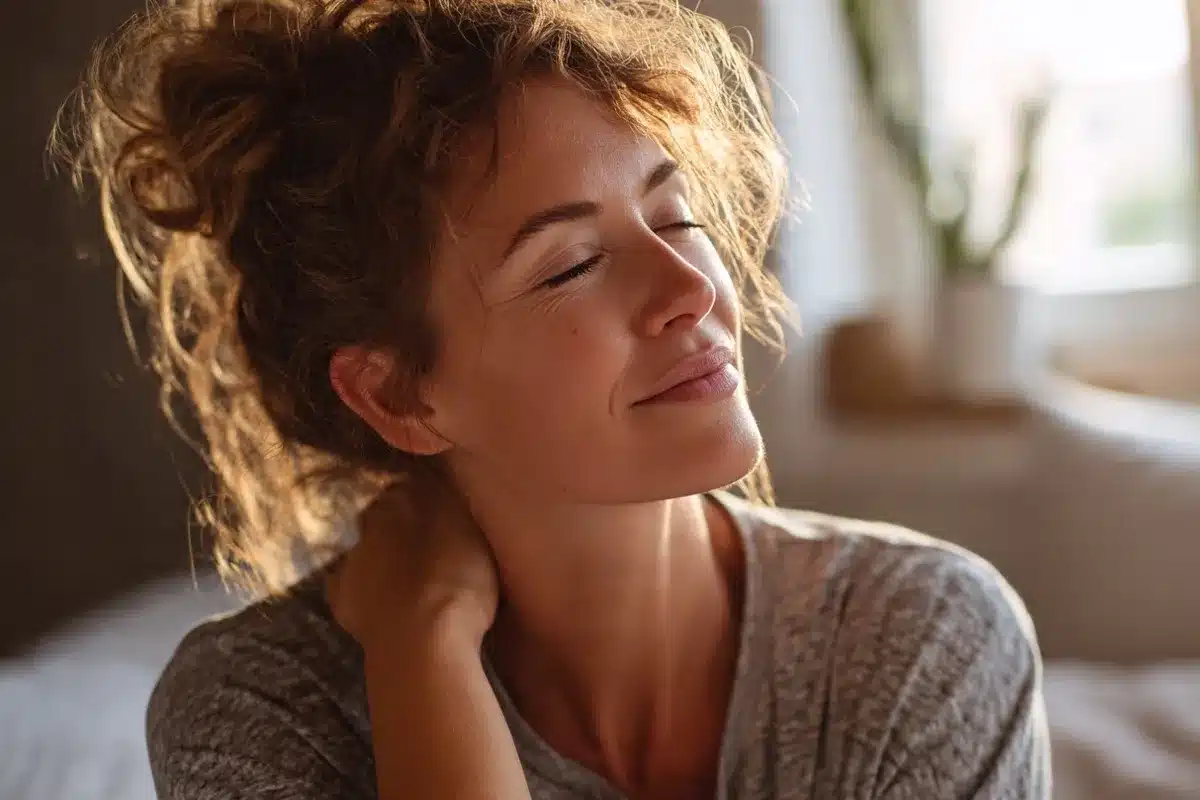
You don’t always need a professional therapist to experience the benefits of massage for relaxation. Learning self-massage at home is a great way to manage stress and tension daily.
Simple Neck and Shoulder Self-Massage: Find a quiet, comfortable place to sit. Use your right hand to reach over your left shoulder. Apply gentle to medium pressure, working your fingers into the muscle. Use slow, circular motions starting from your neck and moving toward your shoulder. Spend 2-3 minutes on each side. Don’t press directly on your spine.
Hand and Finger Massage: Place one hand palm-up on a table. Use your other hand’s thumb to apply gentle pressure to the palm, making small circular motions. Work from your wrist to your fingertips. Pay extra attention to any tight areas. Switch hands and repeat. This takes just 5-10 minutes but feels incredibly relaxing.
Foot Massage at Home: Sit comfortably and place one foot on your opposite knee. Using your thumbs, apply firm but gentle pressure to your arch. Make small circular motions, working from your heel to your toes. Don’t forget the tops of your feet and between your toes. Spend 10-15 minutes on each foot. Many people find this helps them relax before bed.
Template Massage for Headaches: Place your thumbs on your temples, right at the outside corner of your eyes. Apply gentle pressure and make slow, small circles. Breathe deeply and relax your facial muscles. Continue for 2-3 minutes. You can also massage the base of your skull with your fingers using the same technique.
Massage for Specific Goals
Massage for Stress Relief: Swedish massage and aromatherapy massage are excellent for stress. Regular sessions, even monthly, help keep stress levels down. The key is consistency. Even 30 minutes can make a big difference.
Massage for Anxiety Reduction: Deep pressure and calming techniques reduce anxiety. Reflexology and head massage are particularly helpful. Many people find that massage gives their anxious mind permission to finally slow down.
Massage for Back and Neck Pain: Deep tissue massage targets chronic pain and tension. If you have specific areas of pain, a skilled therapist can focus on those spots. Don’t be surprised if it takes 3-4 sessions to notice significant improvement.
Massage for Better Sleep: Gentle massage before bed signals your body that it’s time to relax. Swedish or Ayurvedic massage works wonderfully. Even 20 minutes can help you sleep more deeply.
Massage for Athletes and Active People: Deep tissue and sports massage help athletes recover faster and prevent injuries. If you exercise regularly, monthly massage keeps your muscles healthy.
Massage for Seniors and Older Adults: Gentle Swedish massage and reflexology are perfect for older adults. Massage improves circulation, reduces pain, and supports independence. Always mention any health conditions to your therapist.
Best Oils, Balms, and Tools for Massage
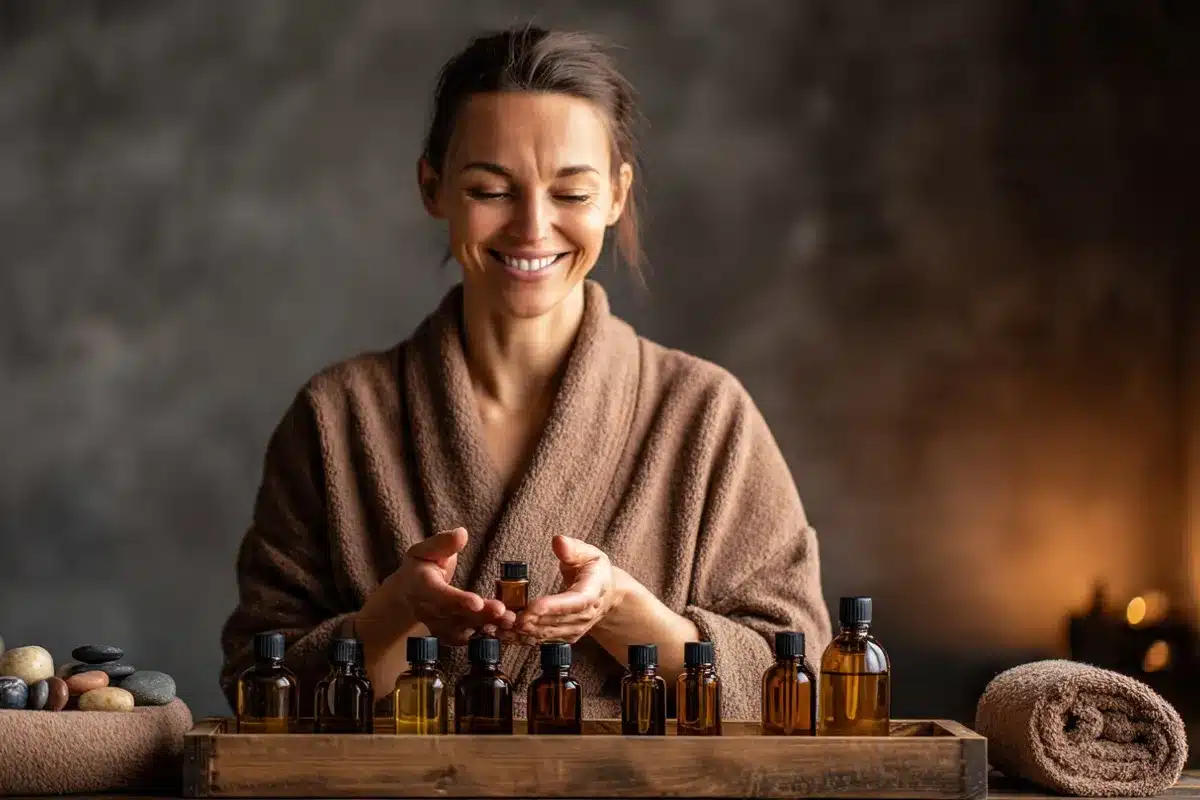
Choosing the right products makes massage more enjoyable and effective. Here are safe, skin-friendly options:
Massage Oils: Coconut oil is deeply nourishing and works well for dry skin. Almond oil is lighter and good for most skin types. Jojoba oil closely mimics skin’s natural oils. Sesame oil is warming and great for Ayurvedic massage. Lavender and chamomile oils add calming scent and benefits.
Massage Tools: Foam rollers help release muscle tension at home. Gua sha tools provide gentle scraping massage. Massage guns offer deeper, faster muscle relief. Hot towels increase relaxation and improve oil absorption. Jade and rose quartz rollers are gentle and cooling.
Safety Tips: Always test oil on a small area first to check for allergies. Never apply massage oil to broken or irritated skin. Use high-quality, pure oils when possible. If you have sensitive skin, start with gentle, fragrance-free oils.
Common Mistakes to Avoid During Massage
Even with good intentions, some common mistakes can make a massage less effective or even uncomfortable. Here’s what to watch out for:
Applying Too Much Pressure: The biggest mistake people make is pressing too hard. More pressure doesn’t always feel better. Start gently and increase slowly based on feedback. Uncomfortable pressure can actually create more tension instead of relieving it.
Skipping Massage Oil: Never massage directly on dry skin. Dry friction between skin and hands becomes uncomfortable and can cause irritation. Always use quality oil or lotion. If someone is allergic to oil, use lotion or cream instead.
Ignoring Communication: Ask your partner or therapist about pressure and comfort level throughout the massage. Everyone’s preferences are different. What feels good for one person might not work for another.
Neglecting Hydration: Drink water after a massage. Your muscles have released toxins and your system is working to process them. Hydration helps your body flush out these toxins and speeds recovery.
Pressuring the Spine: Never apply direct pressure on the backbone or vertebrae. Always massage around the spine, in the muscles alongside it. The spine is delicate and direct pressure can cause pain or injury.
Massaging Over Broken Skin: Don’t massage over cuts, wounds, or skin infections. Wait until the area heals before massaging nearby regions.
Who Should Avoid or Consult About Massage?
While massage is generally safe for most people, certain conditions require extra caution or medical approval:
Pregnancy: Prenatal massage is safe and wonderful, but always consult your doctor first. Certain pressure points should be avoided. Make sure your therapist is certified in prenatal massage.
Low Blood Pressure: Some massage techniques can lower blood pressure further. People with low blood pressure should inform their therapist and get medical clearance.
Varicose Veins: Avoid massaging directly over varicose veins. The pressure can be uncomfortable and potentially problematic. A trained therapist knows how to work around this.
Skin Infections or Conditions: Don’t massage over active infections, rashes, or inflammatory skin conditions. Wait until the area heals or consult a doctor.
Recent Surgery or Injuries: Generally wait at least 2-3 weeks after surgery or serious injury before getting massage. Always check with your doctor first.
Chronic Health Conditions: If you have diabetes, heart problems, autoimmune conditions, or other chronic illnesses, consult your doctor before massage. Most conditions aren’t reasons to avoid massage, but your doctor should know.
Blood Clots or Thrombosis: Massage is not recommended for people with active blood clots. The pressure and movement could be risky.
Fever or Acute Illness: Skip massage when you have a fever or acute infection. Your body is already working hard to fight illness.
Certain Medications: Some medications thin the blood or affect sensation. Talk to your doctor about whether massage is appropriate for you.
When to Seek Professional Massage Therapy
While self-massage at home is helpful, professional massage therapy offers benefits you can’t get alone:
You have chronic or severe pain
You’re dealing with significant stress or anxiety
You’ve had an injury that needs expert attention
You want a specific type of massage like deep tissue or Ayurvedic
You simply want the full relaxation experience of professional care
A trained massage therapist has years of education and understanding of the human body. They can identify problem areas you might not realize are tense and customize the session to your exact needs.
Massage Relaxation Therapy as Part of Your Wellness Routine
Think of massage relaxation therapy as an investment in your health, not a luxury. Just like you brush your teeth daily and exercise regularly, massage supports your overall wellness. In 2025 and 2026, more people are recognizing that taking care of your mind and body together leads to better health.
Whether you choose professional massage, self-massage at home, or a combination of both, the benefits are real and scientifically proven. Regular massage helps reduce stress, improves sleep, relieves pain, and makes you feel more at peace.
You don’t need to wait for a special occasion to try massage relaxation techniques. You can start today with simple at-home self-massage. And if you decide to invest in professional sessions, even one massage per month can transform how you feel.
Conclusion: Start Your Massage Relaxation Journey Today
Massage relaxation techniques offer a natural, powerful way to heal your body and calm your mind. From Swedish massage to aromatherapy, from simple self-massage at home to professional deep tissue work, there are options for everyone.
The key is finding what works for you and making it a regular part of your wellness routine. Your body deserves care, attention, and rest. Massage provides all three.
Don’t wait for stress to become overwhelming. Start exploring massage relaxation techniques today. Whether you book a professional session or spend 10 minutes massaging your own feet, you’re investing in your health and happiness.
Ready to feel more relaxed and at peace? Explore more wellness guides, fitness tips, and health routines on HealthFlock.com. We’re here to support your journey to better health and happiness. Try one of these massage relaxation techniques this week and notice how much better you feel.
Building Your Daily Massage Relaxation Routine

The most effective way to experience the benefits of massage is to make it part of your daily or weekly routine. Here’s how to create a sustainable massage practice:
Morning Scalp Massage: Start your day with energy by massaging your scalp. This takes just 5 minutes but increases blood flow to your head and wakes up your nervous system. Use your fingertips to make small circles all over your scalp, from your hairline to the back of your neck.
Midday Neck Release: Around lunchtime or mid-afternoon, take 5-10 minutes for a quick neck and shoulder massage. This breaks the tension that builds from sitting and stress. It resets your mind and helps you feel more focused for the rest of the day.
Evening Wind-Down Massage: Spend 15-20 minutes in the evening massaging your hands, feet, or doing a gentle full-body self-massage. This signals your body that it’s time to relax and prepare for sleep. Dim the lights, play calm music, and make it a ritual.
Weekly Professional Session: If possible, schedule a professional massage once per week or every two weeks. This gives your body deeper relaxation than self-massage can provide. It also gives you a chance to completely disconnect from daily stressors.
How to Create the Perfect Massage Environment
Where and how you massage makes a big difference in how relaxing it is:
Choose a Quiet Space: Find a place free from distractions. Turn off phones, close doors, and minimize noise. Your brain needs to feel safe to truly relax.
Control the Temperature: A cool room with warm blankets or covers is ideal. Your body naturally relaxes better in a slightly cool environment. You can also use warm massage oils or a heating pad to add warmth.
Use Calming Scents: Light a candle, use an oil diffuser with lavender or eucalyptus, or simply open a window for fresh air. Scent plays a huge role in relaxation.
Play Relaxing Music: Soft instrumental music, nature sounds, or binaural beats all support deeper relaxation. Many people find that music helps their mind stop racing.
Set a Time Limit: Know when you’re going to start and end. Even if you only have 10 minutes, committing to that time makes the experience more valuable.
Turn Off Distractions: Put your phone on silent or in another room. Tell family you need 20 minutes of uninterrupted time. Commit fully to the experience.
Frequency and Consistency Matter
One massage is good. Regular massage is better. Consistency is key to experiencing lasting benefits.
Monthly Professional Massage: Most people feel significant benefits with one professional massage per month. This is enough to maintain stress relief, better sleep, and improved mood.
Weekly Professional Massage: If you’re dealing with chronic pain or high stress, weekly sessions provide deeper, more consistent relief.
Daily Self-Massage: Even 10-15 minutes of daily self-massage makes a real difference. You don’t need expensive oils or tools. Your hands are your best tool.
Combined Approach: Many people get one professional massage monthly and do self-massage at home 2-3 times per week. This combines the benefits of professional skill with the convenience of home practice.
The Long-Term Benefits of Regular Massage Therapy
When you make massage a regular practice, you start noticing changes beyond just feeling relaxed:
Better Stress Management: Your body learns to relax faster and more completely. You become better at recognizing and releasing tension.
Improved Sleep Patterns: Regular massage clients report sleeping better not just after their massage, but in general. Your sleep quality improves over time.
Reduced Chronic Pain: If you’ve had ongoing pain, consistent massage can significantly reduce it. Pain that seemed permanent often improves dramatically.
Stronger Immune System: Regular massage supports immune function. Many massage clients report fewer colds and illnesses.
Better Mental Health: The combination of reduced stress, better sleep, and physical relaxation improves anxiety, depression, and overall mood.
Increased Body Awareness: You become more aware of where you hold tension and how your body feels. This awareness helps you prevent problems before they become serious.
Improved Circulation: Over time, regular massage improves your body’s circulation. This means better healing, faster recovery, and healthier skin.
Massage Relaxation Techniques for 2025 and Beyond

As we move further into 2025 and look ahead to 2026, more people are recognizing that true wellness requires caring for your whole self—body, mind, and spirit. Massage relaxation therapy is no longer seen as a luxury but as an essential part of a healthy lifestyle.
Modern life brings modern stress. But ancient healing practices like massage offer timeless solutions. Whether you explore Swedish massage, deep tissue work, aromatherapy, or Ayurvedic techniques, you’re connecting with wellness practices that have worked for centuries.
The great news? You don’t need fancy spas or expensive sessions to benefit from massage. You can start right now, in your home, with your own hands. Spend 10 minutes tonight massaging your feet or neck. Notice how you feel tomorrow. That’s the beginning of your massage relaxation journey.
Final Thoughts: Your Body Deserves This
Tension, stress, and pain don’t have to be permanent parts of your life. Your body is designed to relax, heal, and feel good. Massage relaxation therapy helps your body remember how to do these things.
Whether you’re just starting to explore massage or you’re already a regular at your local spa, remember this: you’re doing something important for your health. You’re telling your body that it matters. You’re investing in your wellbeing.
Start today. Try one of the self-massage techniques. Book a professional session. Create a relaxation routine. Your healthier, more peaceful self is waiting on the other side.
Explore more wellness tips, fitness guides, and health advice on HealthFlock.com. Join our community of people committed to living healthier, happier lives. Your journey to relaxation and wellness starts now.