


 By Peter High
Protein shakes can be a powerful tool for better health, easier weight management, and faster muscle recovery when used the right way. With the right type, timing, and portion size, they support everyday energy, fitness goals, and healthy aging—not just hardcore body building.
What Are Protein Shakes?
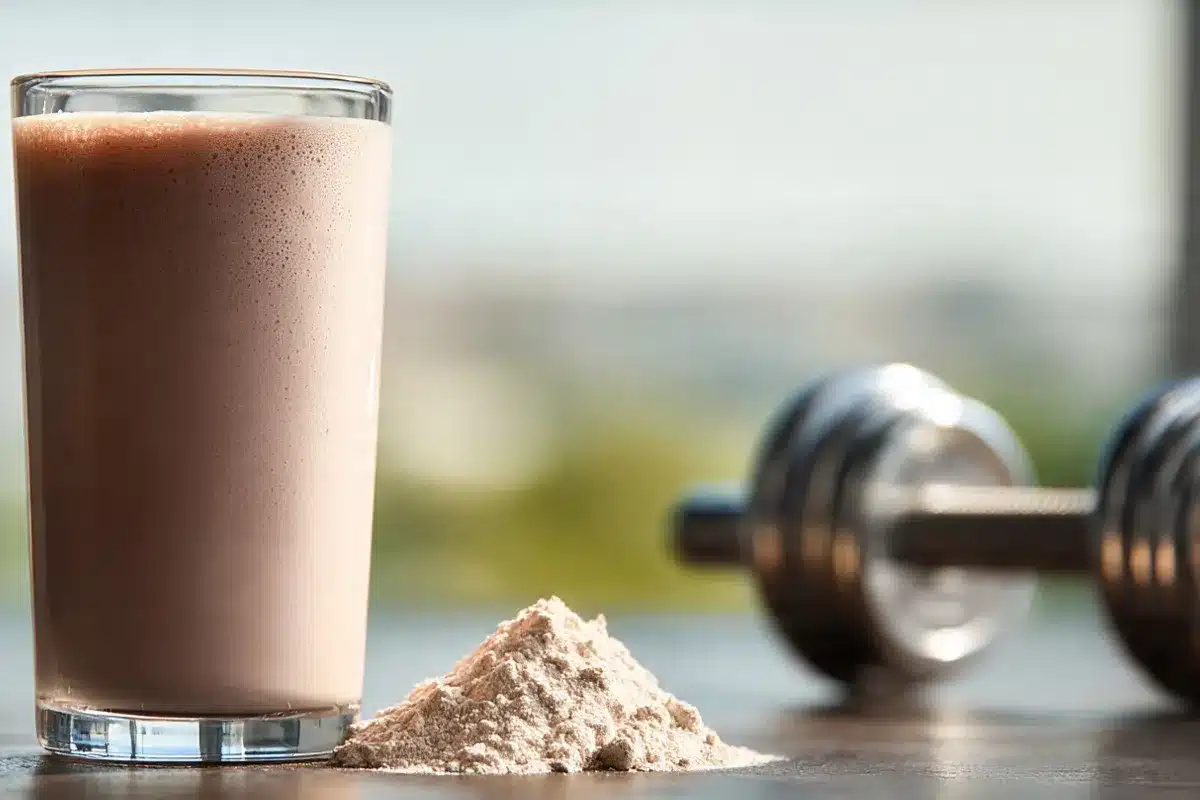
Protein shakes are drinks made by mixing a protein source (usually powder) with water, milk, or a milk alternative. Most powders are made from whey, casein, soy, pea, or mixed plant proteins and often include added vitamins, minerals, and flavorings.
People use protein shakes to boost daily protein intake, support workouts, replace meals on busy days, or help with weight loss. Because they are quick to prepare and easy to digest, they fit well into modern, on‑the‑go lifestyles.
Why Protein Matters
Protein is made of amino acids, which are the building blocks for muscles, hormones, enzymes, and immune cells. Getting enough protein helps maintain muscle mass, support recovery after exercise, and keep you full between meals.
Most healthy adults need about 0.8 grams of protein per kilogram of body weight per day, but active people may benefit from 1.0–1.6 grams per kilogram. For a 70 kg adult, that is roughly 56–112 grams of protein per day, which can be easier to reach with a shake.
Main Benefits Of Protein Shakes

-
Support Weight Loss and Fat Control
Protein takes longer to digest than carbs, which helps you feel full and reduces snacking. Studies suggest that higher‑protein diets help people naturally eat fewer calories while preserving lean muscle mass.
Whey protein, in particular, can increase satiety hormones and reduce hunger hormones, making it easier to stick to a calorie deficit. When combined with exercise, this can support fat loss without the “skinny but weak” look that comes from losing too much muscle.
-
Build and Maintain Muscle
Protein shakes provide a fast source of essential amino acids, especially leucine, which triggers muscle protein synthesis. This is crucial after strength training, when muscles need building blocks to repair and grow.
Regular protein supplementation, alongside resistance training, has been shown to improve gains in muscle size and strength. For older adults, extra protein can help slow age‑related muscle loss (sarcopenia) and maintain mobility and independence.
-
Faster Recovery After Workouts
After tough workouts, muscle fibers develop tiny tears that need protein to repair. A post‑workout shake helps quickly deliver amino acids to muscles, which can reduce soreness and speed up recovery.
This faster recovery means you can train more consistently and with better quality, leading to better long‑term results. Many gyms now include protein shakes as part of their recovery offerings because of this benefit.
-
Convenient Nutrition for Busy Days
One of the biggest advantages of protein shakes is convenience. When there’s no time to cook, a shake can be a quick, balanced option—especially if you blend it with fruit, oats, seeds, or nut butter.
Meal‑replacement style shakes are increasingly used by professionals and students to maintain stable energy and prevent junk‑food choices. This can improve overall diet quality when the alternative is skipping meals or grabbing fast food.
-
Help With Healthy Aging and Recovery
As people age, protein needs go up, but appetite often goes down, making it harder to hit daily targets with food alone. Shakes can help older adults reach about 1.0–1.2 grams of protein per kilogram of body weight per day, which supports strength and immune function.
Protein shakes can also aid wound healing and recovery after surgery or illness because protein is needed to repair tissues and support the immune system.
Types Of Protein Shakes
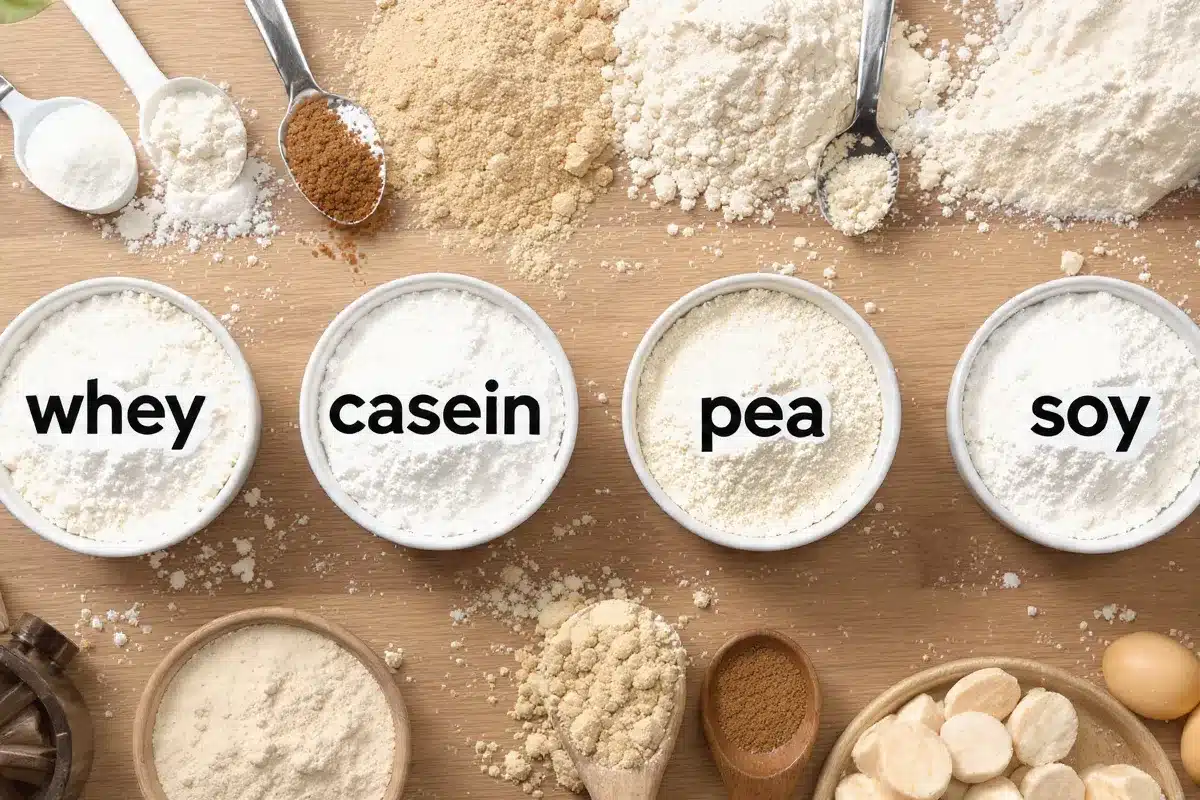
Whey Protein
Whey protein is made from milk and is absorbed quickly, making it ideal before or after workouts. It is rich in essential amino acids and has been widely studied for muscle growth, fat loss support, and recovery.
There are three main forms:
- Concentrate: More affordable, with some carbs and fats left in.
- Isolate: Higher protein percentage and lower lactose, good for people with mild lactose issues.
- Hydrolysate: Pre‑digested for faster absorption, often used in clinical or sports settings.
Casein Protein
Casein is another milk protein that digests slowly, releasing amino acids over several hours. This makes it a popular option before bed to support overnight muscle repair and reduce muscle breakdown.
Plant‑Based Proteins
Plant proteins such as pea, soy, rice, and hemp are good options for vegans, vegetarians, or people with dairy intolerance. Blends of different plant proteins can provide a complete amino acid profile similar to whey.
Newer formulas often include added nutrients like fiber, probiotics, or omega‑3 fats to support gut and heart health.
“Functional” and Specialized Shakes
In 2026, many protein shakes are designed for specific health goals such as gut health, immune support, or cognitive function. These may include added ingredients like probiotics, vitamins, minerals, adaptogens, or collagen.
These targeted products are becoming more popular among health‑conscious consumers and older adults looking for convenient ways to support overall wellness.
How Much Protein Do You Need?
Most adults do well with 0.8–1.6 grams of protein per kilogram of body weight daily, depending on age and activity level. For example:
- Sedentary adults: about 0.8 g/kg
- Moderately active or trying to lose fat without losing muscle: 1.0–1.3 g/kg
- Strength athletes or intense training: up to 1.6 g/kg (sometimes slightly higher under guidance)
For many people, that equals roughly 50–175 grams of protein per day in a 2,000‑calorie diet. A typical scoop of protein powder provides about 20–30 grams, which can cover a large part of one meal’s protein.
Best Times To Drink Protein Shakes

Morning Or As a Meal
Having a protein shake at breakfast can stabilize blood sugar, reduce mid‑morning cravings, and set up better appetite control for the rest of the day. Blending in fiber (like oats or chia seeds) and healthy fats (like peanut butter) turns it into a more complete meal.
Using shakes as occasional meal replacements can be helpful during busy periods, but whole foods should still make up most of the diet.
Before Or After Workouts
Drinking a protein shake within about 1–2 hours after resistance exercise supports muscle repair and growth. Some people also like a smaller shake 30–60 minutes before training, especially if they have not eaten for a while.
The exact timing is less important than total daily protein intake, but pairing shakes with workouts is an easy habit that supports consistency.
Before Bed (Casein)
A slow‑digesting protein like casein before bed can help limit overnight muscle breakdown and support recovery. This may be especially useful for athletes or people in a muscle‑building phase.
Potential Downsides and Safety Tips
Protein supplements are generally safe for healthy people when used in reasonable amounts, but more is not always better. Extremely high protein intakes over long periods may strain kidneys in people with existing kidney disease, so those individuals should talk to a doctor or dietitian first.
Some shakes contain added sugars, artificial sweeteners, or cheap fillers that add calories without much benefit. People with lactose intolerance, soy allergies, or other sensitivities should read labels carefully and choose appropriate formulas.
How To Choose a Quality Protein Shake
Look for these features on the label:
- Around 20–30 grams of protein per serving.
- A clear protein source (whey, casein, pea, soy, etc.), not vague “protein blend” without details.
- Limited added sugar; preferably less than 5–7 grams per serving.
- Third‑party testing or quality certifications when possible.
Avoid powders that rely heavily on controversial sweeteners if you are sensitive to them, and be cautious with products containing long lists of unrecognizable additives.
Simple Ways To Use Protein Shakes
Here are practical ideas:
- Post‑workout shake: Whey protein with water or milk for fast absorption.
- Meal‑replacement smoothie: Protein powder blended with fruit, oats, and seeds for a balanced meal.
- Snack upgrade: A small shake between meals to curb cravings.
- Bedtime shake: Casein protein mixed with milk for slow overnight release.
These strategies help integrate shakes into daily life without relying on them for every meal.
Real‑World Trends in 2026
Consumer interest in protein continues to climb, with surveys showing over 60% of people actively trying to increase their protein intake in recent years. Protein shakes are now used not just by athletes but also by busy workers, students, and older adults.
At the same time, the market is shifting toward more personalized and functional products that address specific health needs and preferences, including plant‑based and low‑sugar options.
Frequently Asked Questions

- Are protein shakes good for weight loss?
Yes, when used as part of a calorie‑controlled diet, protein shakes can support weight loss by increasing fullness, preserving muscle mass, and helping manage cravings. - Can you drink protein shakes every day?
Most healthy people can safely drink protein shakes daily as long as total protein intake stays within recommended ranges and whole foods still make up most of the diet. - Do protein shakes damage kidneys?
In healthy individuals, moderate to high‑protein diets have not been shown to harm kidney function, but people with kidney disease should limit protein and consult a healthcare professional. - Is whey protein better than plant protein?
Whey is slightly superior for rapid muscle protein synthesis because of its amino acid profile and fast digestion, but well‑designed plant‑protein blends can be just as effective for most people. - When is the best time to drink a protein shake?
Any time that helps you meet your daily protein target works, but many people find it most useful around workouts, at breakfast, or as a replacement for an unhealthy meal or snack. - How many protein shakes should I have per day?
For most people, 1–2 shakes per day are enough; more is rarely needed if you also eat protein‑rich whole foods. - Are protein shakes suitable for older adults?
Yes, older adults often benefit from extra protein to maintain muscle, strength, and immune function, and shakes can make it easier to meet higher needs despite lower appetite.
References:
- https://www.uclahealth.org/news/article/how-much-protein-do-you-really-need
- https://www.webmd.com/diet/protein-shakes
- https://pmc.ncbi.nlm.nih.gov/articles/PMC10761008/https://pubmed.ncbi.nlm.nih.gov/26797090/
- https://www.healthline.com/nutrition/how-much-protein-per-day
- https://www.calculator.net/protein-calculator.html
- https://www.guardian.in/blogs/livewell/whey-protein-101-the-ultimate-beginners-guide-benefits-types-and-how-to-use-it