


 By Peter High
Why permanent hair removal matters
Methods for permanent hair removal have become a key part of modern grooming for people who are tired of constant shaving, waxing, or dealing with irritated skin. Instead of thinking about stubble every few days, more people want long-lasting solutions that save time, reduce discomfort, and keep their skin smoother for longer.
The global hair removal market was valued at over 27 billion dollars in 2024 and is forecast to more than double by 2035, which shows just how many people are searching for better options. This guide walks through all the major methods for long-term and permanent hair removal, explains how they work, who they are best for, and how to choose the right treatment for your body, skin type, budget, and lifestyle.

What “permanent hair removal” really means
When people search for the best methods for permanent hair removal, they often imagine never seeing a single hair again, ever. In reality, most techniques offer either true permanence for each treated follicle or very long-term reduction, which still feels life-changing compared to daily shaving.
Dermatology sources usually divide hair-removal options into three groups:
- Temporary methods: Shaving, depilatory creams, waxing, sugaring, and threading
- Long-term reduction: Laser hair removal and IPL (intense pulsed light)
- Truly permanent removal: Electrolysis and some newer electro-based methods
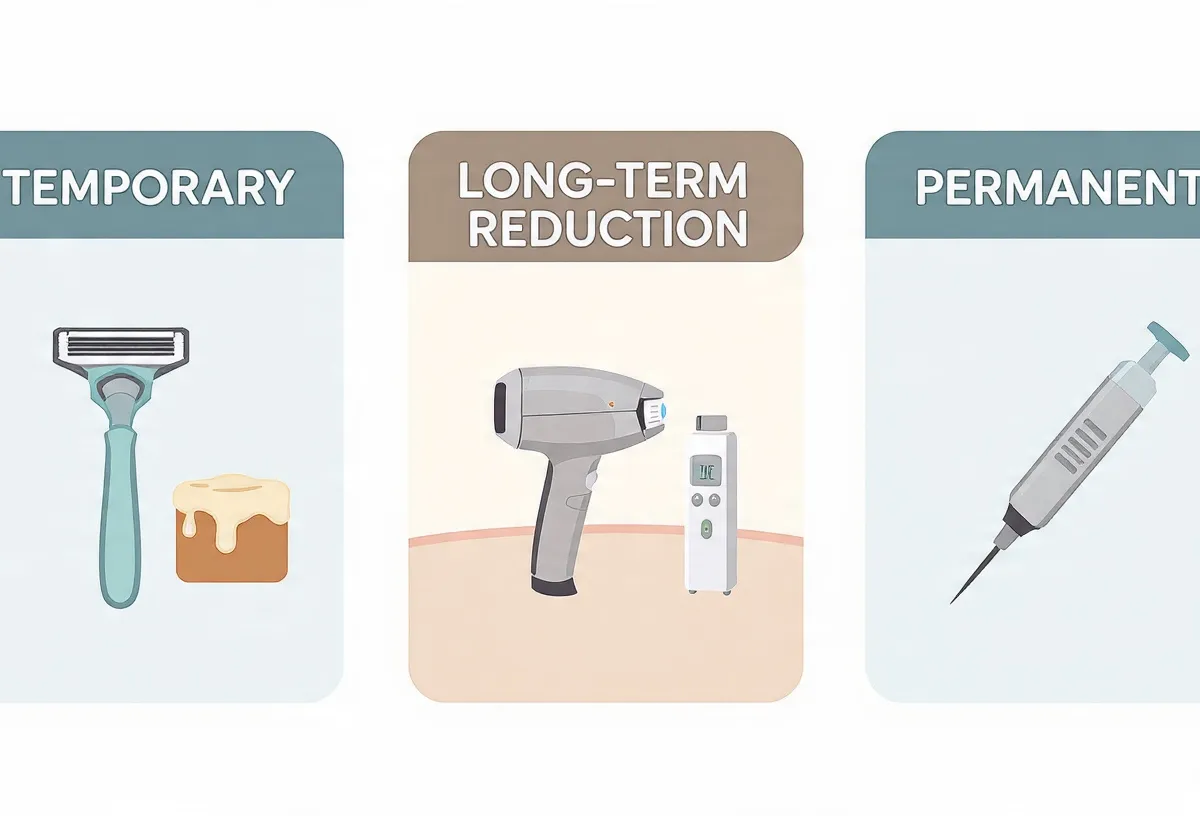
Electrolysis is currently the only method officially recognized as permanent for each hair follicle treated, while laser and IPL provide long-term reduction of 70–90% in most people after a full course of sessions.
Overview of the main methods
Before choosing among the different methods for permanent hair removal, it helps to see how the big options compare. The table below summarizes the core permanent and semi-permanent options that are most relevant in 2026.
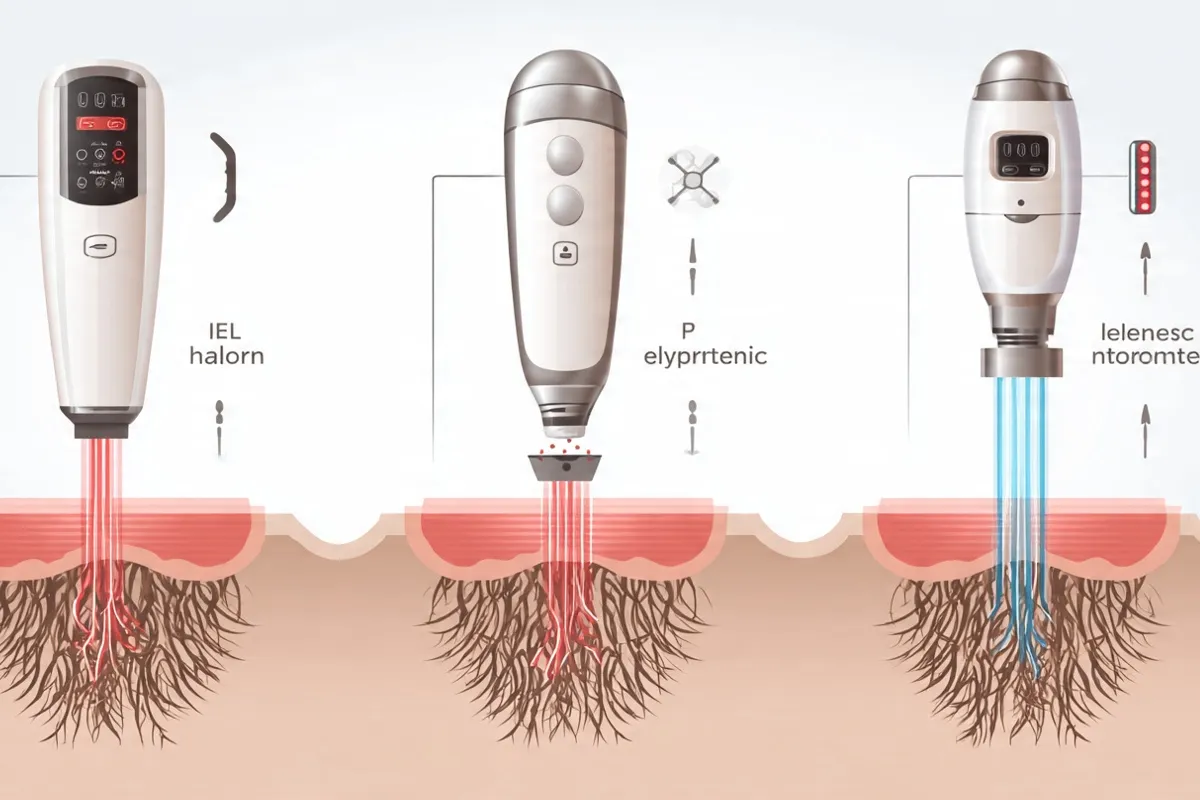
| Method | Permanence level | Best for | Main limitations | Typical sessions & result data |
| Electrolysis | Fully permanent per follicle | All hair colors, all skin tones | Time‑consuming; can be uncomfortable; cost adds up on large areas | Many sessions; each hair treated individually; results are permanent once finished |
| Laser hair removal | Long-term hair reduction | Larger areas (legs, back, bikini); best on darker hair | Works less well on very light, gray, or red hair; some maintenance sessions needed | Often 6–10 sessions with around 70–90% reduction reported in studies and clinic data |
| IPL (intense pulsed light) | Long-term reduction, not fully permanent | Home or clinic treatments on light skin with dark hair | Less precise than medical lasers; not ideal for very dark skin or very light hair | Multiple sessions; results vary, often less durable than high-end laser systems |
This guide will now dive into each method so you can match the science and real‑world results to your own needs.
Electrolysis: the only truly permanent method
Electrolysis is often described as the “gold standard” of methods for permanent hair removal because each treated follicle is gone for good. A tiny probe is inserted into the opening of the hair follicle and an electrical current destroys the follicle’s growth center so it cannot produce new hair.
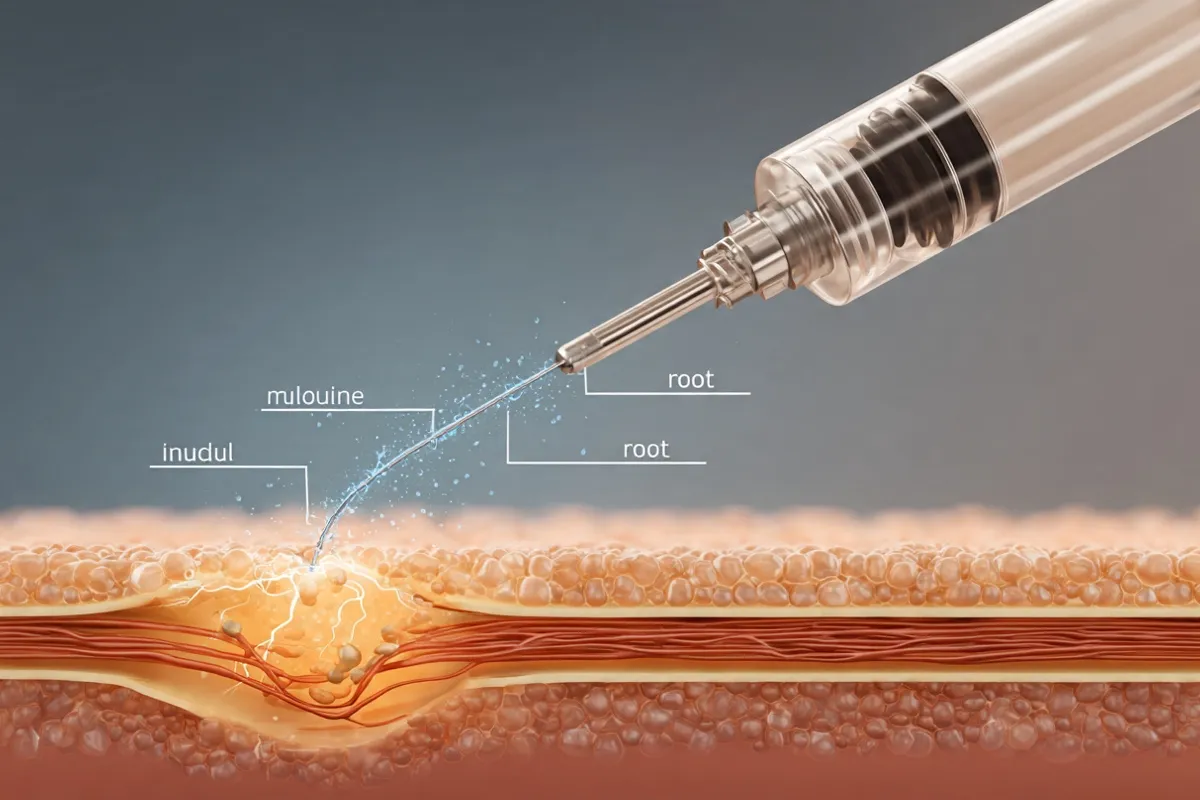
How electrolysis works
Electrolysis can use different types of current, but the goal is always to damage the follicle enough that it cannot grow another hair. Because each hair is treated one by one, it is extremely precise and works on:
- All hair colors, including blonde, gray, red, and very fine hair
- All skin tones, from very light to very dark

Clinical literature supports electrolysis as a permanent solution when done correctly, though multiple sessions are needed because hair grows in cycles and not all follicles are active at the same time.
Pros and cons of electrolysis
Advantages:
- Works on any hair color and skin tone
- Suitable for small, delicate areas like upper lip, chin, fingers, or around the bikini line
- No ongoing maintenance once a follicle is fully treated
Drawbacks:
- Time‑consuming, since each follicle is treated individually
- Can be uncomfortable; numbing creams may be used for sensitive clients
- Costly for large areas like full legs or back
Many dermatologists recommend electrolysis for facial hair, odd stray hairs, or areas where laser has not worked well, while using other methods for permanent hair removal such as laser for larger body zones.
Real‑world example (face hair)
A common real‑world case is someone with light skin and mixed dark and blonde upper‑lip hair who has tried laser but still has persistent fine, light regrowth. In such cases, electrolysis can target the remaining light hairs that lasers and IPL devices do not “see,” giving truly hair‑free results over a series of carefully spaced sessions.
Laser hair removal: fast, powerful long‑term reduction
Laser hair removal is often the most popular of all methods for permanent hair removal because it can treat large areas quickly and deliver strong, long‑lasting reduction in hair density. Modern devices use concentrated beams of light that selectively target pigment in the hair shaft, heating and damaging the follicle enough to reduce or stop future growth.
How laser hair removal works
The laser energy is absorbed by melanin in the hair, which is why contrast between skin and hair color matters. Different laser types have been developed for different skin tones: for example, Alexandrite lasers are often used for lighter skin, while Nd:YAG lasers are favored for darker skin tones because they penetrate more deeply and spare the surface more effectively.
Recent clinic data from advanced laser systems suggest that, after a full series of treatments, many clients achieve around 70–90% long‑term hair reduction in treated areas, with far fewer ingrown hairs and smoother skin texture. However, some hairs may regrow finer or lighter over time, so brief maintenance sessions every year or two are common.
Benefits and limitations
Benefits:
- Treats large areas like legs, arms, chest, and back quickly
- Reduces ingrown hairs and razor burn
- Long‑lasting results after a limited number of sessions
- Newer devices have cooling systems that make treatments more comfortable
Limitations:
- Works best when hair is darker than the surrounding skin
- Less effective on white, gray, very light blonde, or red hair
- Not fully permanent; some maintenance may be needed
- People with very dark or very tanned skin must use suitable devices and experienced providers to reduce risks
What results to expect (by area)
While results vary by device, provider, and individual biology, published 2025‑era clinic and study data give useful ballpark figures:
- Bikini or Brazilian: Often 6–8 sessions, spaced several weeks apart, with about 80–90% reduction in hair density
- Legs: Often 8–10 sessions, with about 70–80% reduction
- Back or chest: Often 8–10 sessions, with about 70–85% reduction
Surveys and clinic statistics show satisfaction rates above 90% in many modern practices when laser hair removal is done with up‑to‑date devices and proper patient selection.
Case-style scenario (busy professional)
Imagine a busy professional who shaves legs and underarms every two days, often dealing with razor bumps and itchiness. After completing a typical series of laser sessions, this person might only need to think about shaving or touch‑up treatments a few times a year instead of multiple times a week, saving hours of time and improving skin comfort.
IPL hair removal: clinic and at-home options
Intense pulsed light, or IPL, is another popular option usually grouped with methods for permanent hair removal, though it is more accurate to call it long‑term hair reduction rather than strictly permanent. Instead of a single, focused wavelength like a laser, IPL uses a broad spectrum of light filtered to target pigment in the hair.

How IPL works and who it suits
During IPL treatment, bursts of light are directed at the treatment area, where melanin in the hairs absorbs energy and converts it to heat that impairs the follicle. This works best on light to medium skin with darker hair, since high contrast allows the system to distinguish hair from surrounding skin.
Clinic‑grade IPL devices can achieve decent long‑term reduction, though studies usually find that high‑end diode or other medical lasers outperform IPL systems in terms of durability of results. Cheaper home IPL devices often need more frequent use and tend to offer more modest reduction rather than dramatic, near‑permanent results.
Strengths and weaknesses of IPL
Strengths:
- Often more affordable upfront than multiple in‑clinic laser sessions
- Widely available in salons and as home devices
- Can improve ingrown hairs and reduce shaving frequency
Weaknesses:
- Not ideal for very dark skin or very light hair
- Results may be less consistent and less permanent than top laser systems
- Home devices require strict adherence to safety and usage guidelines
For people with the right skin–hair combination who are okay with gradual improvement rather than instant “permanence,” IPL can still be a useful part of a long‑term hair‑reduction plan.
Comparing the main permanent hair removal methods
Choosing between electrolysis, laser, and IPL means balancing speed, cost, skin and hair type, and how “permanent” you want your outcome to be. The table below highlights key differences among these methods for permanent hair removal.
| Aspect | Electrolysis | Laser hair removal | IPL hair removal |
| Permanence | Permanent per treated follicle | Long-term reduction; some regrowth possible | Long-term reduction; more regrowth over time |
| Best hair & skin | Any hair color; any skin tone | Dark hair; most skin types with right device | Dark hair; light to medium skin tones |
| Treatment speed | Slow; each hair treated separately | Fast; large areas in one session | Moderate; can cover larger areas but often needs more sessions |
| Ideal areas | Face, upper lip, chin, stray hairs | Legs, arms, underarms, bikini, back | Mixed; good for body areas with correct skin–hair match |
| Cost pattern | More economical on small zones | Efficient for large zones over time | Lower upfront with potential need for maintenance |
Most people get the best results by combining methods: for example, laser for large areas and electrolysis for leftover fine hairs or delicate spots.
Safety, risks, and who should avoid certain treatments
Safety should always be a top concern when exploring methods for permanent hair removal, especially on the face, bikini area, or darker skin tones. While modern devices and protocols are much safer than earlier generations, there are still risks like burns, pigment changes, and scarring if treatments are not matched correctly to skin type or performed properly.

People with very dark or tanned skin must be especially careful with IPL and certain laser types, as pigment in the skin can absorb more energy and increase the risk of injury. Some medical conditions, medications causing photosensitivity, or a history of keloid scarring may also influence whether certain methods for permanent hair removal are safe, so medical consultation is important before committing to a full treatment plan.
Cost and value: thinking long term
At first glance, professional methods for permanent hair removal can seem expensive, especially compared to a pack of razors or a waxing appointment. However, over years of repeated temporary treatments, many people end up spending more money, time, and energy than they realize.
A rough way to think about value is:
- Electrolysis: Higher cost per hour, but permanent results for small areas and no future maintenance once complete.
- Laser: Mid‑to‑high per‑session cost, but large areas treated quickly with long‑term reduction, and occasional maintenance sessions.
- IPL: Often lower upfront costs or at‑home devices, but may require many more uses and replacement devices over time.
When viewed over five to ten years, many people find that investing in high‑quality, evidence‑based methods for permanent hair removal is more cost‑effective than paying for waxing and razors every month.
Step‑by‑step: how to choose the right method
To choose the best methods for permanent hair removal for your situation, follow this simple process:

- Identify your skin tone and hair color.
- If you have dark hair and lighter to medium skin, you may be an excellent candidate for laser or IPL.
- If you have blonde, gray, red, or very fine hair, electrolysis will usually be more effective.
- Decide which areas you want treated.
- Large areas (legs, arms, back) are usually better for laser or, in some cases, IPL.
- Small, detailed areas (upper lip, chin, nipples) or leftover hairs after laser are ideal for electrolysis.
- Set a time and budget range.
- If you want quick improvements and can commit to several visits over a year, laser is often best.
- If you prefer slower but truly permanent results in small areas, plan a longer electrolysis schedule.
- Consult reputable clinics or practitioners.
- Look for providers who use devices matched to your skin tone and who explain realistic results and risks.
- Ask how many sessions they expect for your body area and when you should start to see changes.
- Monitor results and adjust.
- If laser leaves a few light hairs, consider adding electrolysis for final clean‑up.
- If a method feels too uncomfortable, ask about cooling options, settings adjustments, or alternative approaches.
Maintaining results and caring for your skin
After using one or more methods for permanent hair removal, long‑term success depends on good skin care and realistic expectations. Most people still need basic maintenance, like occasional touch‑up sessions or careful sun protection to prevent pigmentation changes in treated areas.
Simple maintenance tips include:
- Avoiding intense sun exposure and tanning before and after treatments
- Using sunscreen on exposed areas, especially in the weeks after sessions
- Moisturizing regularly to support skin barrier health
- Not waxing or plucking between sessions if your provider recommends against it
With consistent care, many people report that their grooming routine becomes far simpler, involving only occasional shaving or rare touch‑up appointments rather than constant daily maintenance.
FAQ: methods for permanent hair removal

- What are the best methods for permanent hair removal?
The best methods for permanent hair removal are electrolysis, which is fully permanent per treated follicle, and laser hair removal, which offers strong long‑term reduction for many people. IPL can also provide meaningful reduction for the right skin and hair types, but it is usually considered less permanent than high‑end medical lasers.
- Is laser hair removal really permanent?
Laser hair removal is better described as permanent hair reduction rather than complete removal, since most people still have some very fine regrowth over time. Studies and clinic data often report 70–90% reduction after a full series of treatments, with maintenance sessions as needed to keep results stable.
- Which methods for permanent hair removal work on blonde or gray hair?
For blonde, gray, red, or very fine hair, electrolysis is usually the most reliable of the methods for permanent hair removal, because it does not depend on pigment in the hair. Laser and IPL both rely on melanin, so they struggle to “see” very light hairs and are often not recommended as the primary option in these cases.
- Are methods for permanent hair removal safe for dark skin?
Yes, but the choice of device and provider is crucial for darker skin tones. Many clinics use specific laser types, such as Nd:YAG systems, that are designed for deeper penetration and safer use on darker skin, while IPL is often less suitable because it can more easily affect skin pigment.
- How many sessions do permanent hair removal methods usually need?
Most methods for permanent hair removal require multiple sessions because hair grows in cycles and only active follicles can be effectively treated at a given time. Laser protocols often involve around 6–10 sessions, while electrolysis can require many more shorter visits, especially on dense or large areas.
- Are at‑home IPL devices as good as clinic treatments?
Home IPL devices can reduce hair growth and extend the time between shaving sessions, but they generally deliver weaker energy and slower, less dramatic results than professional systems. For people who want the most powerful methods for permanent hair removal, in‑clinic laser or electrolysis with trained providers typically provides more predictable, long‑lasting outcomes.
- Do permanent hair removal methods hurt?
Most people describe laser and IPL as similar to a quick snapping or heat sensation, while electrolysis can feel like a small sting or pinch with each follicle treated. Modern cooling systems, numbing creams, and careful settings have made these methods for permanent hair removal much more tolerable than many older devices or waxing sessions.
Conclusion
With today’s science, methods for permanent hair removal can give you smoother skin, fewer ingrown hairs, and a lot more free time compared to daily shaving or constant waxing. Electrolysis, laser, and IPL each have strengths and limitations, so the “best” method depends on your skin type, hair color, treatment area, and budget.

To move forward, list your target areas, note your skin and hair characteristics, and book a consultation with a qualified provider who can recommend the safest and most effective methods for permanent hair removal for you. If you already publish on Health Flock, you can also internally link this guide to related posts on skin care, beauty routines, and choosing workout clothing for a complete, user‑friendly resource path for your readers.
References: